One Platform, Multiple Control Sources: How NX NextMotion Coordinates Control Rights Among the Driver, Teleoperation, and Autonomy
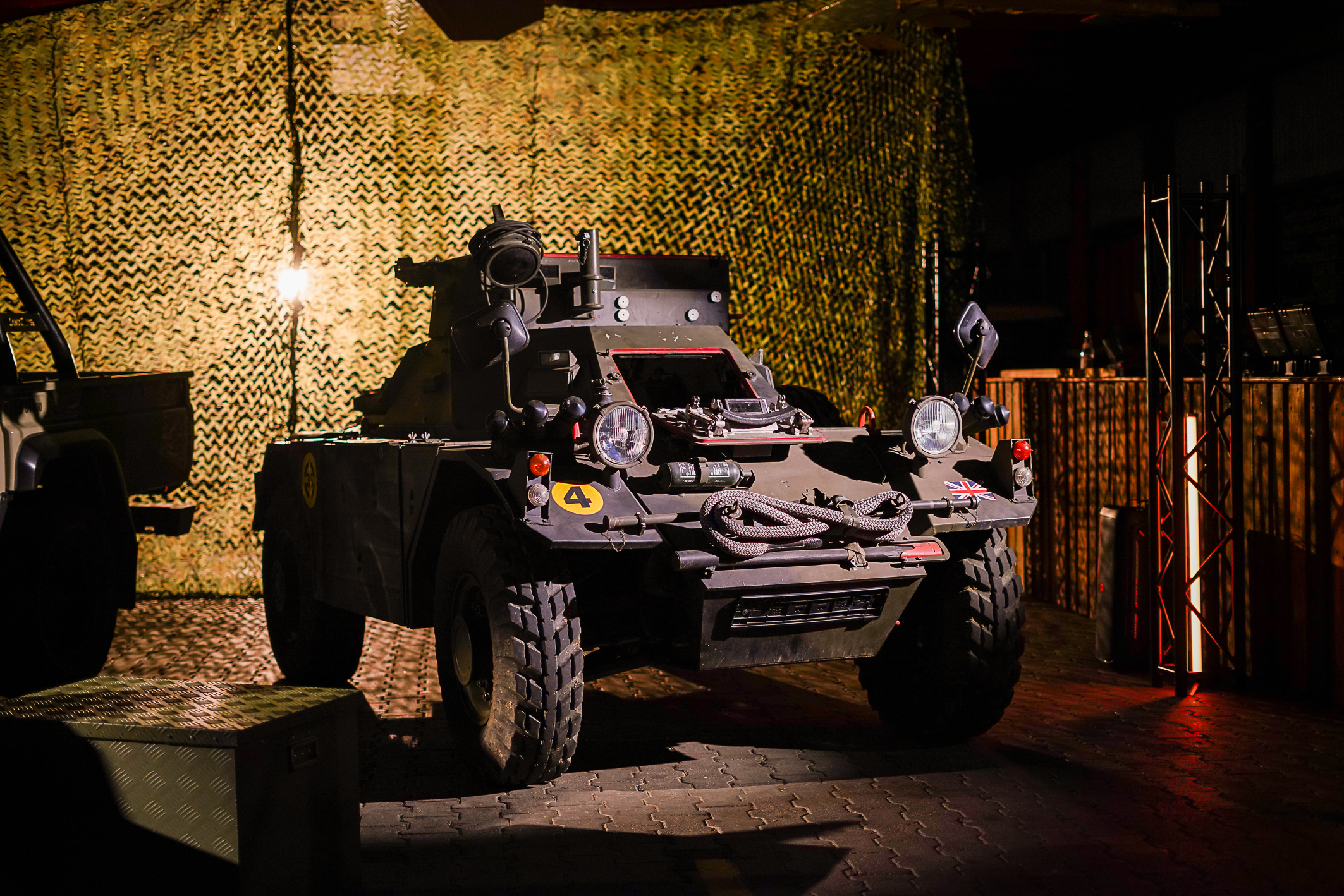
Defense platform as the basis for different operating modes: Driver, teleoperation, and automated driving systems can be integrated via a common drive-by-wire architecture. Photo: Arnold NextG
Digital controllability creates new possibilities—and the need to clearly determine which control source is authorized to control which vehicle function.
TECHNOLOGICAL CORE
Arbitration between the driver, teleoperation, and autonomous mode is a core capability of NX NextMotion. The Control Layer evaluates control requests, coordinates control rights, and enables defined transitions between different operating modes.
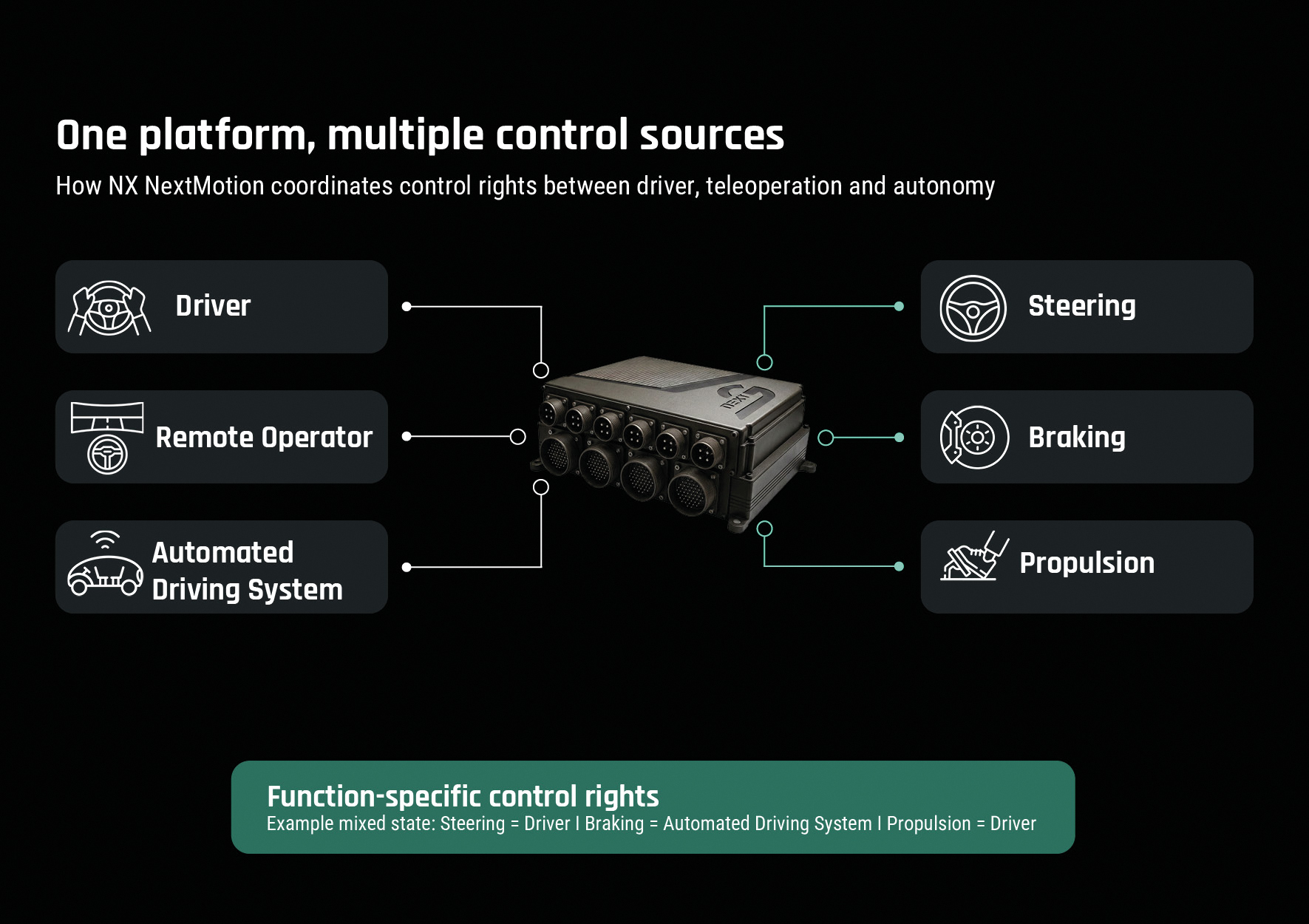
Drive-by-wire enables electronic control of steering, braking, and propulsion. Especially on defense platforms designed to combine manned, teleoperated, and automated operating modes within the same vehicle architecture, this allows different control sources to access the same motion functions. This flexibility simultaneously creates a new safety-related task. When multiple sources can access the same motion functions, the Control Layer must not merely relay requests. It must unambiguously determine which source is permitted to control which function under which system state.
Arbitration Instead of Parallel Command Forwarding
The NX NextMotion drive-by-wire platform developed by Arnold NextG includes an arbitration layer for driver, teleoperation, and automated driving systems. It continuously checks control requests for plausibility and consistency and correlates them with system state, availability, and timing behavior. This transforms multiple potential control sources into controlled vehicle operation. It is not merely a matter of which source a request originates from. It is also crucial whether the request is permissible in the current system state and consistent with the other requests.
In the event of a conflict, NX NextMotion executes a defined transition. Non-deterministic state changes are ruled out. For these transitions, the underlying system concept specifies error response times of less than five milliseconds.
The transition itself is a safety-critical function
A switch between driver control, teleoperation, and automated operation is more than just an organizational mode change. It alters the vehicle’s active control path and is therefore itself safety-critical. During the transition, it must be clearly established which source is relinquishing control of a vehicle function, which is taking it over, and how the control requirements are handled during this change.
NX NextMotion models such transitions as defined system states with controlled timing behavior. This ensures transparency regarding which control source is acting on which vehicle function at any given time. Especially in vehicle architectures where manned, teleoperated, and automated operating modes are integrated, this unambiguous state management becomes a fundamental prerequisite.
Mixed states are part of reality
Not every transition means that all vehicle functions are completely transferred from one control source to another. Manned-unmanned teaming and assisted operating modes can lead to mixed states. An example from the NX-NextMotion architecture: The driver intervenes in the steering while an automated driving system continues to control the braking function. The ATZ technical paper describes such scenarios as virtual target channels within the arbitration architecture.
This makes it clear that control rights must be considered on a function-by-function basis. A robust control layer must therefore not only be able to connect different control sources; it must also coordinate their requirements in such a way that it remains unambiguous which source controls a specific vehicle function and how different requirements interact within the same motion architecture. The technological added value thus lies not in the mere number of possible control sources, but in their controlled coordination.
Arbitration Does Not Solve Every Architectural Issue
Arbitration determines which control source is permitted to control which vehicle function in a defined system state. In doing so, it establishes clear responsibilities among the driver, teleoperation, and automated driving systems, and prevents competing or ambiguous access to the same motion functions.
However, this does not answer every question regarding vehicle motion. Even a formally valid and unambiguously assigned control request must contend with a real-world platform subject to specific physical and technical constraints. Arbitration determines control authority—not whether every requested movement can be executed in a controlled manner under the platform’s current conditions. It is precisely at this system boundary that another architectural challenge arises.
Technological Benefits for Combined Operations
For defense platforms, controlled arbitration enables manned, teleoperated, and automated modes of operation to be integrated within the same vehicle architecture. For manufacturers and system integrators, this means that different operating modes do not necessarily have to be developed as separate vehicle control systems. They can be based on a common control layer that manages control rights, states, and transitions in a controlled manner. This is particularly relevant where a platform’s level of automation changes over its service life or where different operating modes are planned to run in parallel.
For defense applications, this provides an important foundation for manned-unmanned teaming, teleoperation, and automated vehicle functions: It is not the number of connected control sources that determines the platform’s controllability, but rather the architecture that coordinates their access to vehicle movement.
Outlook
This allows multiple control sources to access the same vehicle platform in a controlled manner. However, even a clearly authorized control source is only one part of the overall architecture. The next article will focus on another question: What actually remains available after a failure—and how can vehicle movement be continued in a controlled manner even under degraded conditions?
WE CONTROL WHAT MOVES
Source / Technical Classification
ATZheavy duty 02/2026, Technical Article
“Three Control Sources, One Architecture—A Fail-Operational Drive-by-Wire Platform for Integrated Control of Autonomy, Teleoperation, and Driver Intervention.”

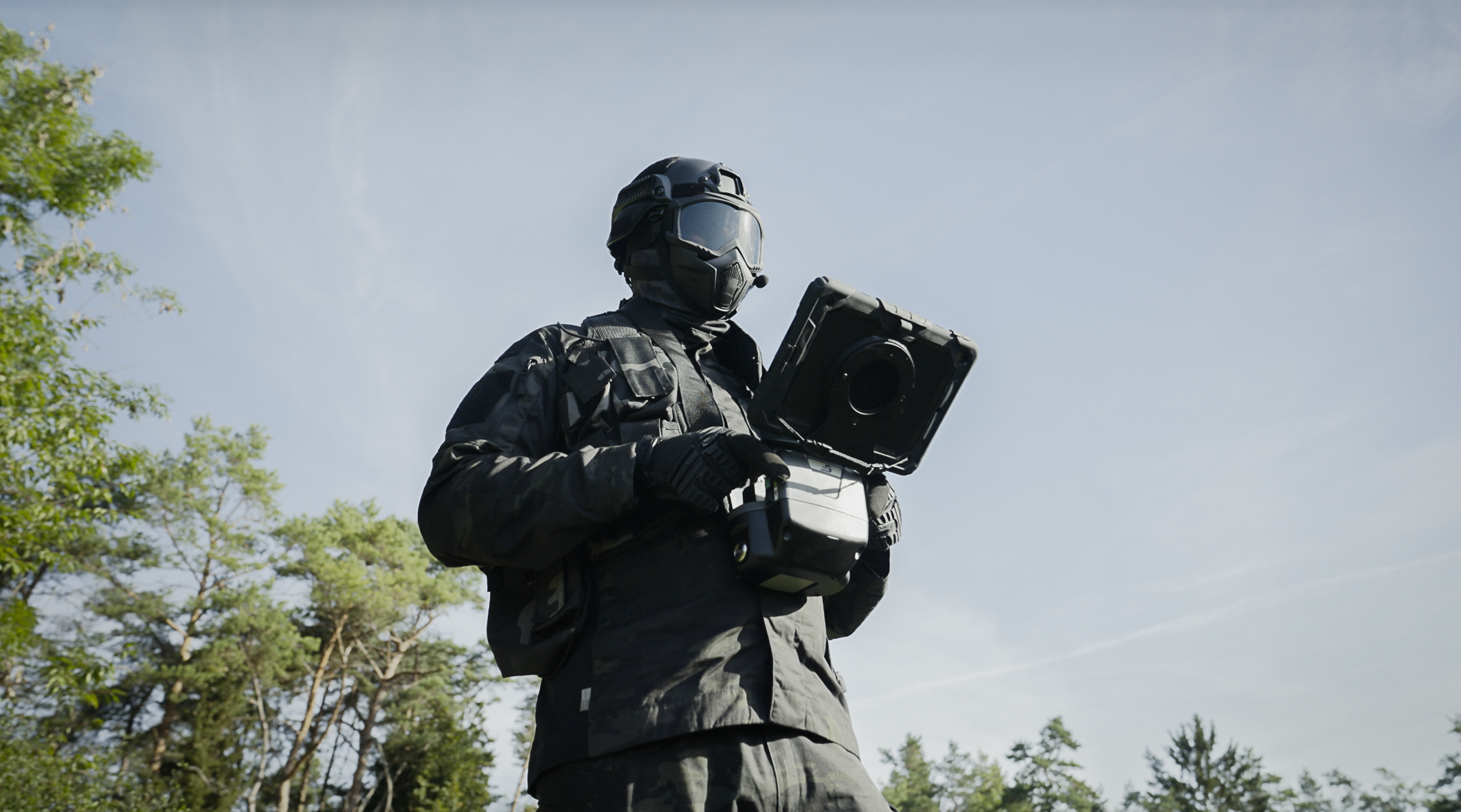
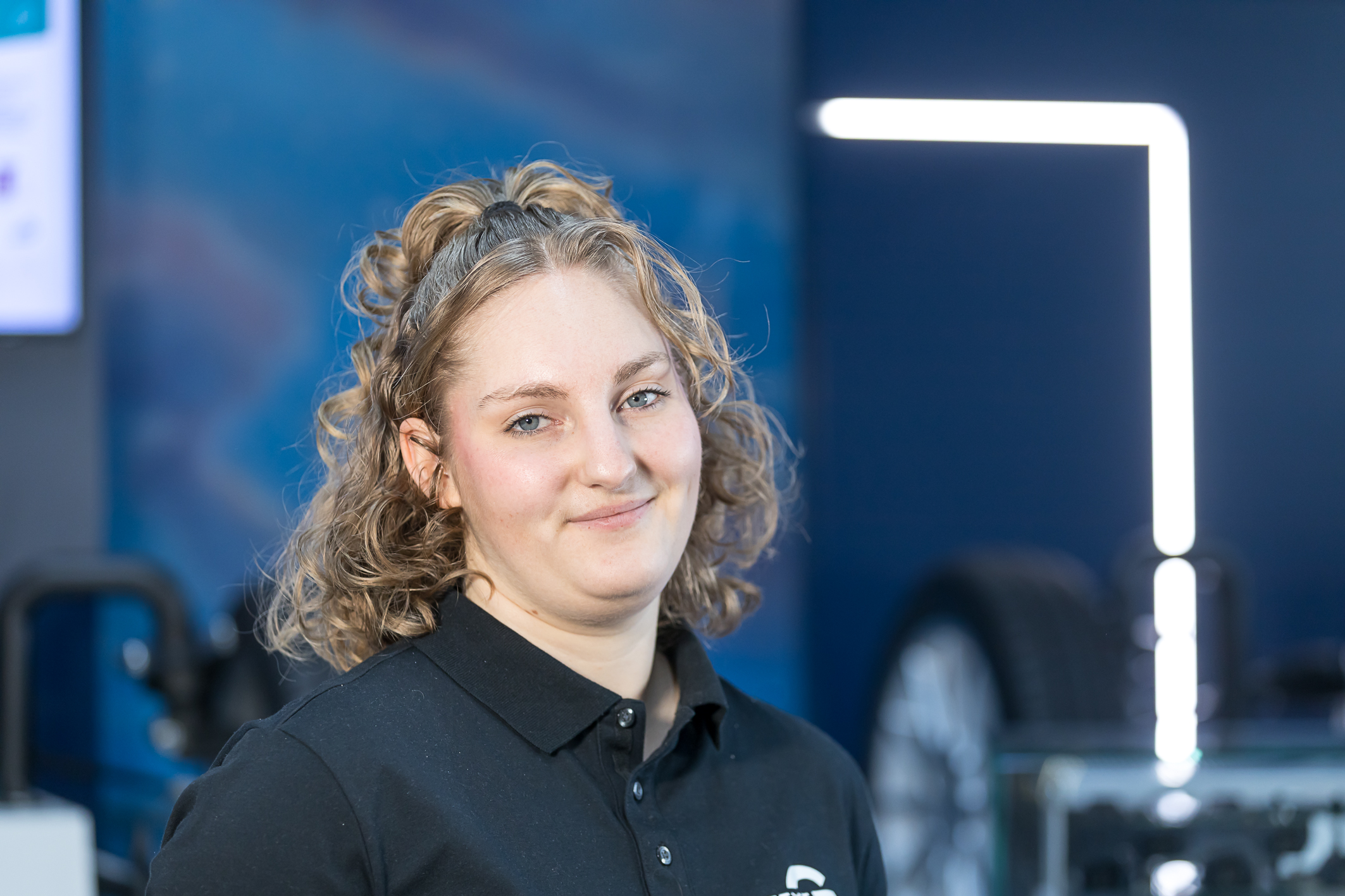
Remote operator as one of several control sources: NX NextMotion coordinates, on a function-by-function basis, which source is permitted to access steering, braking, and propulsion. Photo: Arnold NextG
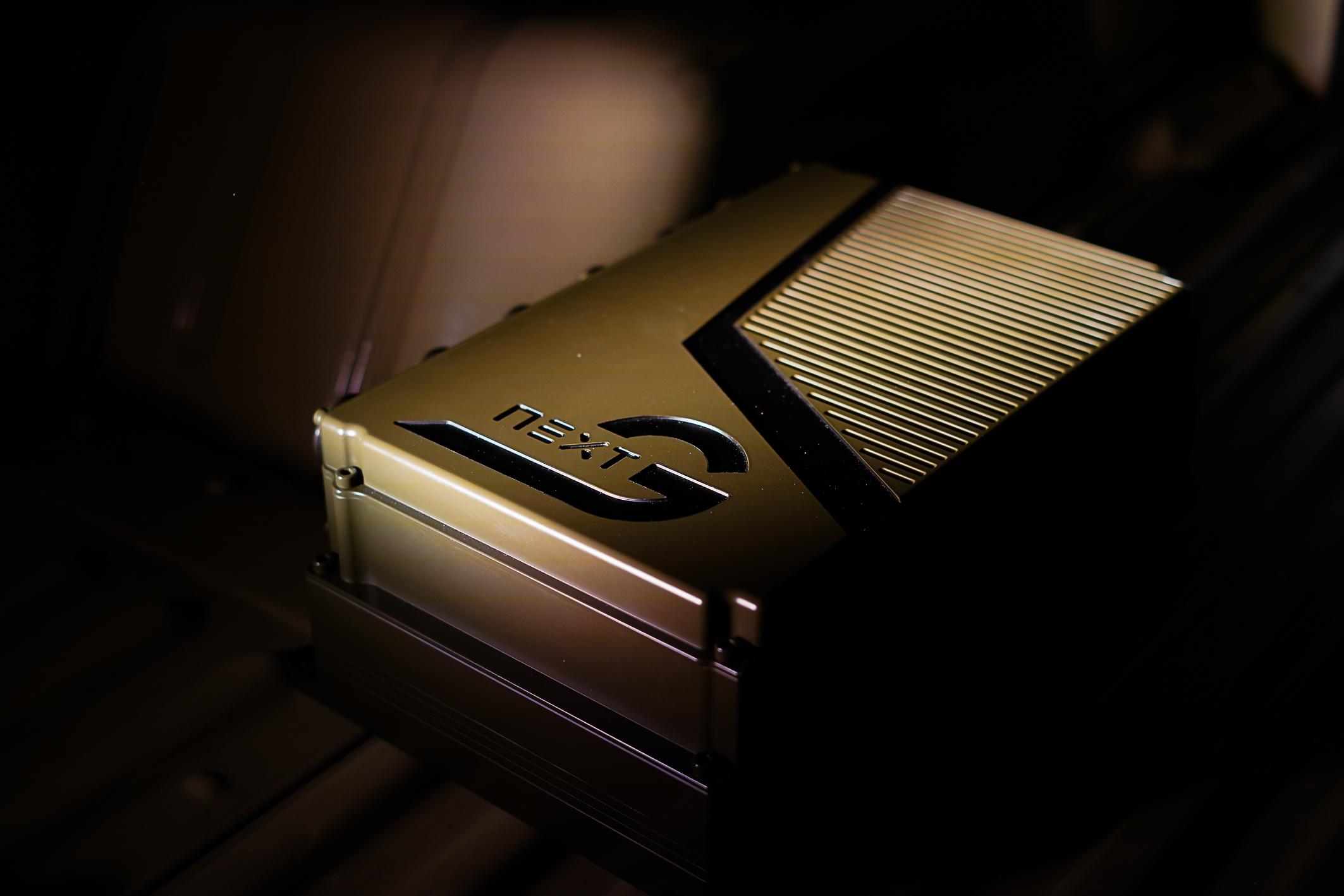
NX NextMotion forms the drive-by-wire control layer from Arnold NextG. The platform coordinates control requests and enables defined transitions between the driver, teleoperation, and automated driving systems. Photo: Arnold NextG